A one-page website (a landing page) and a multi-page website aren’t rivals. They’re tools for different moments. The right question isn’t which one is better, but which one fits what you need right now.
What is a one-page website?
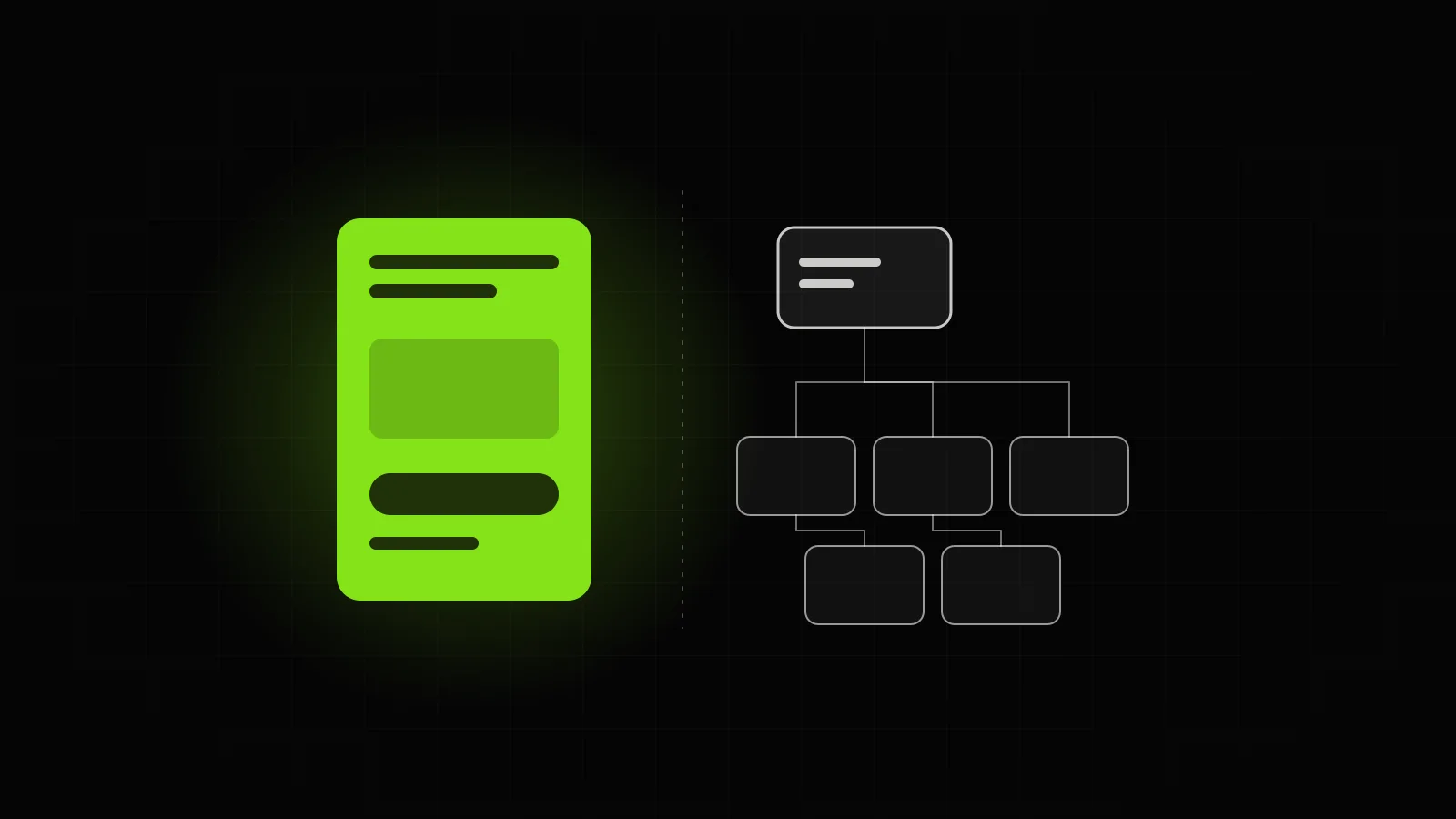
It’s a single page built around a single goal: getting the visitor to take one action, like messaging you on WhatsApp, requesting a quote or signing up. It carries one main message, proof you can be trusted (like testimonials), the benefits of your offer and a clear button. There’s no crowded menu sending visitors in ten directions.
When is it the better choice?
A one-page site works well when you’re just starting and want to go live fast, when you’re running a campaign or ad and need a page dedicated to the offer, when you have one clearly defined main service, or when you want to test an idea before investing more. Because it’s lean, it’s ready sooner and usually easier to maintain.
When does a full website make more sense?
If you have several services or products that deserve their own pages, want to show up on Google for many different topics, plan to publish content or need a catalog, a multi-page site is the way to go. It also helps when credibility weighs heavily in the buying decision, with pages about your team, your story and the work you’ve done. More pages give customers more paths to follow, and give Google more ways to find you.
How do you decide?
Ask yourself three questions. What is the one action I want visitors to take? How many topics do I need to explain? Do I want to be found for a few search terms or for many? If the answer is one action and one topic, a one-page site does the job. If it’s several topics and many searches, think about a full website.
The path that usually works: start small, then grow
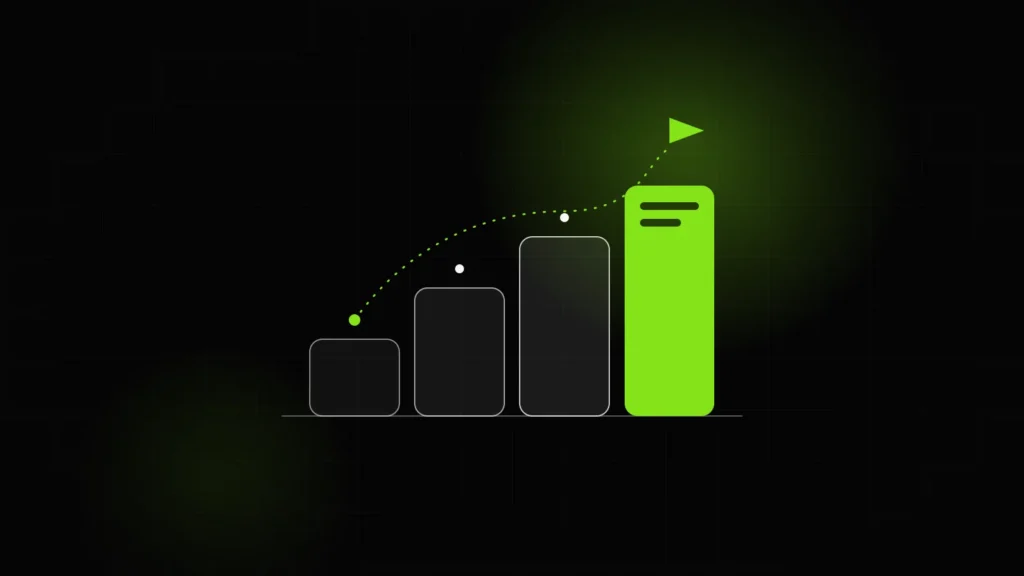
Many businesses launch with one well-made page and, as the first customers arrive and the business learns, add pages, a blog and a Google presence until they have a full website, reusing the domain, email and content they already have. Nothing is wasted along the way. Doing it the other way around, paying for a big website before you know what works, is riskier. If you’re not sure where to begin, we can help you choose.